
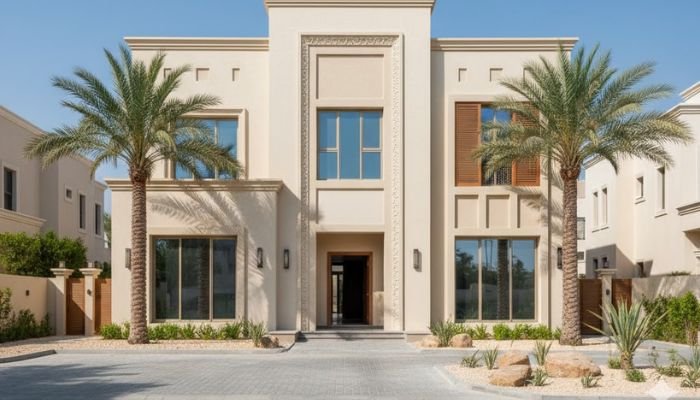
Introduction: Qatar’s Green Building Revolution
Qatar is undergoing a profound transformation in how it designs, constructs, and operates buildings. As the country advances toward its National Vision 2030, sustainable building has shifted from a niche preference to a mainstream requirement. Rising energy costs, environmental responsibility, and global green building standards are driving Qatar’s construction industry toward greener, more efficient solutions.
At Insugreen, sustainable building is at the core of everything we do. Our insulation solutions directly address Qatar’s biggest sustainability challenge: reducing the massive energy consumed by cooling systems in an extreme climate. From spray foam to EPS boards, from EIFS systems to decorative foam, every product we offer contributes to a more sustainable built environment.
This comprehensive guide explores sustainable building practices, certifications, materials, and strategies that are transforming Qatar’s construction landscape.
What is Sustainable Building?
Defining Green Construction
Sustainable building — also called green construction or eco-friendly building — refers to the practice of designing, constructing, and operating buildings in ways that minimize environmental impact, maximize energy efficiency, and create healthier spaces for occupants.
**The Three Pillars of Sustainable Building:
- Environmental Sustainability- Reduce carbon emissions
- Minimize energy and water consumption
- Protect natural ecosystems
- Use responsibly sourced materials
- Design for long building lifespans
- Economic Sustainability- Lower operational costs
- Increase asset value
- Reduce maintenance expenses
- Improve return on investment
- Support long-term affordability
- Social Sustainability- Improve occupant health and comfort
- Enhance indoor air quality
- Create productive environments
- Support community wellbeing
- Ensure accessibility and equity
Why Sustainable Building Matters in Qatar
Qatar faces unique sustainability challenges that make green construction especially critical:
Energy Intensity:Qatar’s buildings consume enormous amounts of energy — primarily for air conditioning. In summer, cooling accounts for 70-80% of a building’s total energy use, driving high carbon emissions and electricity costs.
Carbon Commitments:Qatar has made significant commitments to reduce carbon emissions as part of its national sustainability strategy. Green buildings play a central role in achieving these targets.
Water Scarcity:As a water-scarce nation, Qatar must maximize efficiency in all water uses, including building operations.
Economic Diversification:Qatar’s transition away from hydrocarbon dependency makes energy efficiency a national economic priority.
Explore our full range of sustainable insulation solutions on our services page.
Qatar’s Green Building Rating Systems
GSAS: Qatar’s National Standard
The Global Sustainability Assessment System (GSAS)is Qatar’s mandatory green building rating system, developed by the Gulf Organisation for Research and Development (GORD). GSAS evaluates buildings across multiple sustainability dimensions.
GSAS Rating Categories: Energy and Atmosphere (35% weight)**
- Energy performance modeling
- Renewable energy integration
- HVAC efficiency
- Building envelope performance
- Insulation is critical to achieving high scores here
**Indoor Environment (20% weight)- Thermal comfort
- Air quality
- Daylight and views
- Acoustic performance
Site (15% weight)- Location and transportation
- Ecological impact
- Stormwater management
- Heat island reduction
Water (15% weight)- Water use reduction
- Water recycling
- Landscape efficiency
Materials (10% weight)- Sustainable material selection
- Regional materials
- Recycled content
- Material lifecycle
Management (5% weight)- Construction waste
- Commissioning
- Green education
GSAS Star Ratings:- 1 Star: Basic compliance
- 2 Stars: Good performance
- 3 Stars: Very good performance
- 4 Stars: Excellent performance
- 5 Stars: Exceptional performance
- 6 Stars: Net zero / outstanding
How Insulation Impacts GSAS:Proper insulation systems — including spray foam insulation, EIFS exterior systems, and EPS foam boards — directly contribute to the highest-weighted GSAS category: Energy and Atmosphere.
LEED: International Green Standard
LEED (Leadership in Energy and Environmental Design)is the world’s most widely used green building rating system, developed by the US Green Building Council. Many international projects in Qatar pursue LEED certification.
LEED v4 Credit Categories: Location and Transportation (16 points)** Sustainable Sites (10 points) Water Efficiency (11 points) Energy and Atmosphere (33 points)← Insulation critical here Materials and Resources (13 points) Indoor Environmental Quality (16 points) Innovation (6 points) **Regional Priority (4 points) LEED Certification Levels:- Certified: 40-49 points
- Silver: 50-59 points
- Gold: 60-79 points
- Platinum: 80+ points
Other Relevant Standards
BREEAM:Used by some European developers in Qatar, BREEAM evaluates 10 sustainability categories.
Estidama (UAE):While primarily a UAE standard, some Qatar projects reference Estidama principles.
ISO 50001:Energy management standard applicable to large commercial and industrial buildings.
Sustainable Building Materials: The Role of Insulation
Why Insulation is the Foundation of Sustainable Buildings
In Qatar’s climate, no single building element has more impact on sustainability performance than the building envelope insulation system. High-performance insulation:
- Reduces cooling loads by 40-70%
- Lowers carbon emissions proportionally
- Enables smaller, more efficient HVAC systems
- Improves occupant thermal comfort
- Contributes directly to GSAS and LEED energy credits
The Insulation-Sustainability Connection:Every degree of improved thermal resistance translates directly to reduced energy consumption. In Qatar’s climate, where the temperature difference between outside and inside can exceed 30°C, insulation performance has an outsized impact on sustainability outcomes.
Spray Foam Insulation: Maximum Sustainable Performance
Spray foam insulation represents the highest-performance insulation option for sustainable buildings in Qatar:
Sustainability Advantages:- R-values of 6.0-7.0 per inch — highest available
- Complete air sealing eliminates infiltration losses
- Moisture barrier prevents condensation and mold
- 50+ year lifespan minimizes material replacement
- Structural reinforcement reduces other material needs
- 40-60% reduction in building energy consumption
GSAS Contribution:A well-insulated building using spray foam can achieve significant credits in the Energy and Atmosphere category, potentially moving a project up one or two GSAS star ratings.
Carbon Impact:A typical 400m² villa insulated with closed-cell spray foam reduces annual CO₂ emissions by approximately 15-25 tonnes — equivalent to taking 3-5 cars off the road permanently.
EIFS: Sustainable Exterior Envelope Solution
The EIFS (External Insulation Finishing System) is one of the most effective sustainable building strategies for exterior walls:
Sustainability Benefits:- Continuous exterior insulation eliminates all thermal bridges
- 40-70% reduction in wall heat gain
- Moisture management extends building lifespan
- Reduced HVAC capacity requirements
- Aesthetic flexibility allows passive design strategies
- Compatible with reflective finishes for heat rejection
Passive Design Integration:EIFS works synergistically with passive sustainable design strategies such as:
- Light-colored or reflective finishes to reduce solar absorption
- Textured surfaces for shading and airflow
- Integration with overhangs and shading devices
- Compatibility with green roof systems
EPS Foam Board: Cost-Effective Sustainable Insulation
EPS foam boards offer an excellent sustainable insulation option for projects seeking green performance at an accessible price point:
Sustainability Profile:- 100% recyclable material
- No CFCs or HCFCs in manufacturing
- Long 50+ year service life
- R-value 3.6-4.2 per inch
- Lightweight reduces transport emissions
- Minimal construction waste
Green Building Credentials:- Contributes to LEED Materials and Resources credits
- GSAS-compatible material
- Recyclable content qualifies for points
- Locally sourceable reduces transport impact
American Foam: High-Performance Sustainable Systems
American foam insulation systems represent cutting-edge technology for sustainable buildings:
Sustainability Features:- Advanced formulations with low GWP blowing agents
- Maximum energy performance in minimal thickness
- Long-term stable R-values
- Compatible with all GSAS and LEED certification pathways
- Excellent moisture management for building durability
Key Strategies for Sustainable Building in Qatar
1. Building Envelope Optimization
The single most impactful sustainable building strategy is optimizing the building envelope — the barrier between conditioned interior space and the harsh exterior environment.
Envelope Optimization Principles: Continuous Insulation:Eliminate thermal bridges by applying insulation continuously across the entire envelope. EIFS systems and exterior spray foam achieve this most effectively.
Air Tightness:Minimize uncontrolled air infiltration, which can account for 30-40% of cooling losses. Spray foam provides the most effective air barrier available.
Moisture Management:Prevent condensation and moisture accumulation that degrades materials and creates mold. Proper insulation selection and vapor control are essential.
Solar Control:Combine insulation with high-performance glazing, external shading, and reflective finishes to minimize solar heat gain.
2. Passive Design Strategies
Passive design uses the building’s form, orientation, and materials to reduce energy needs before active systems are engaged:
Building Orientation:- Minimize east and west-facing glass areas
- Orient long facades north-south where possible
- Use building form to self-shade where feasible
Natural Ventilation:- Design for cross-ventilation where climate permits
- Use thermal chimneys and natural stack effects
- Integrate courtyards for natural air movement
Shading:- External shading devices for windows
- Deep overhangs for south-facing facades
- Vertical fins for east/west facades
- Landscape shading for low-rise buildings
Thermal Mass:- Heavy concrete construction stores coolness
- Reduces peak cooling loads
- Works best with very well-insulated envelopes
3. High-Efficiency Building Systems
HVAC Optimization:- Variable refrigerant flow (VRF) systems
- District cooling connections where available
- Demand-controlled ventilation
- Energy recovery ventilation
- Smart thermostats and controls
Lighting Efficiency:- LED lighting throughout
- Daylight harvesting controls
- Occupancy sensors
- Smart lighting management systems
Water Efficiency:- Low-flow fixtures and fittings
- Greywater recycling systems
- Efficient irrigation for landscaping
- Rainwater harvesting where feasible
Renewable Energy:- Rooftop photovoltaic (solar) panels
- Solar thermal water heating
- Building-integrated photovoltaics
- Net-zero or net-positive energy goals
4. Sustainable Material Selection
Green building requires careful attention to materials across their full lifecycle:
Key Material Criteria:- Low embodied carbon
- Recycled or recyclable content
- Regional sourcing to minimize transport
- Durable for long service life
- Healthy for occupants (low VOC emissions)
- Responsibly sourced
Foam Insulation Materials:All Insugreen insulation products support sustainable material goals:
- EPS foam boards: 100% recyclable, no harmful chemicals
- Spray foam: Long lifespan, modern low-GWP formulations
- EIFS systems: Durable, multi-decade performance
- American foam systems: Advanced sustainable formulations
Other Sustainable Materials:- Recycled steel and aluminum
- Locally produced concrete
- Certified timber products
- Low-VOC paints and finishes
- Recycled content tiles and flooring
Sustainable Building Case Studies in Qatar
Case Study 1: GSAS 3-Star Office Building, West Bay
Project Overview:A 12-story commercial office building in Doha’s West Bay business district targeting GSAS 3-star certification.
Sustainability Strategies Implemented:- Complete EIFS exterior insulation system on all facades
- Spray foam insulation for roof and mechanical areas
- High-performance glazing with external shading
- VRF HVAC system with energy recovery
- LED lighting with daylight controls
- Water-efficient fixtures (40% reduction)
- Rooftop solar PV (5% energy offset)
Results:- GSAS 3-Star certification achieved
- 52% reduction in energy use vs. baseline
- 44% reduction in water consumption
- Annual energy savings: 180,000 QAR
- Carbon reduction: 45 tonnes CO₂/year
- Achieved LEED Gold simultaneously
Insulation Impact:The EIFS and spray foam systems contributed 18 of the 33 available Energy and Atmosphere points in the LEED assessment — the single largest contributor to certification.
Case Study 2: Sustainable Villa Compound, The Pearl
Project Overview:A luxury villa compound on The Pearl-Qatar island, designed to demonstrate that sustainable building can be both high-performance and aesthetically outstanding.
Green Features:- Closed-cell spray foam for complete envelope insulation
- EPS foam board for foundation and ground floor
- Decorative foam elements replacing traditional masonry
- Solar panels providing 30% of electricity
- Smart home management system
- Drought-resistant landscaping
- Greywater recycling for irrigation
Performance Outcomes:- 58% energy reduction vs. conventional construction
- Annual savings: 35,000 QAR per villa
- GSAS 4-Star rating achieved
- Carbon footprint reduced by 22 tonnes/year per villa
- Indoor comfort dramatically improved
Case Study 3: Industrial Sustainable Warehouse, Industrial Area
Project Overview:A 10,000m² temperature-controlled warehouse for a food distribution company, designed to minimize energy costs and carbon footprint.
Sustainability Approach:- EPS sandwich panel wall and roof system
- Spray foam for junction sealing and thermal bridges
- LED high-bay lighting with occupancy controls
- Solar PV carport providing 20% energy offset
- Rainwater collection for landscaping
- Efficient refrigeration system with heat recovery
Results:- 62% reduction in cooling energy vs. conventional warehouse
- Annual energy savings: 280,000 QAR
- Carbon reduction: 85 tonnes CO₂/year
- GSAS certification achieved
- Enhanced product shelf life due to stable temperatures
View more sustainable projects in our project portfolio.
Financial Case for Sustainable Building
Investment Analysis
The financial case for sustainable building in Qatar is compelling, driven primarily by dramatic energy cost savings:
| Building Element | Investment (QAR) | Annual Savings (QAR) | Payback Period |
| Spray Foam Insulation | 60,000 | 22,000 | 2.7 Years |
| EIFS Exterior | 45,000 | 15,000 | 3.0 Years |
| EPS Roof Insulation | 20,000 | 8,000 | 2.5 Years |
| LED Lighting | 15,000 | 6,000 | 2.5 Years |
| Solar PV System | 80,000 | 18,000 | 4.4 Years |
| Total Sustainable Package | 220,000 | 69,000 | 3.2 Years |
20-Year Sustainable Building Value:- Total energy savings: 1,380,000 QAR
- Total investment: 220,000 QAR
- Net benefit over 20 years: 1,160,000 QAR- Return on investment: 527%### Property Value Premium
Sustainable buildings command price premiums in Qatar’s real estate market:
Studies Show:- GSAS-certified buildings: 5-15% higher sale price
- LEED-certified commercial: 10-20% rental premium
- Energy-efficient homes: 7-12% higher valuations
- Green industrial facilities: Faster lease-up and lower vacancy
Operational Cost Reduction
Beyond energy, sustainable buildings reduce multiple operational cost categories:
Maintenance Savings:- Durable materials reduce repair frequency
- Better moisture control prevents costly damage
- Longer equipment life from reduced load cycling
- Less HVAC maintenance with right-sized systems
Insurance Benefits:- Some insurers offer premium reductions for green buildings
- Reduced risk of moisture and mold damage claims
- Better structural performance in weather events
Tenant Attraction and Retention:- Corporate sustainability commitments drive demand
- Employee wellbeing and productivity benefits
- Lower tenant turnover in green commercial buildings
Sustainable Building for Different Building Types
Residential Sustainable Buildings
New Villa Construction:The most effective approach is to design sustainability in from the start:
- Orientation and form— minimize east/west exposure
- High-performance envelope— spray foam or EIFS
- High-performance windows— low-e glazing, external shading
- Efficient HVAC— VRF or zoned split systems
- LED lighting— with smart controls
- Water efficiency— low-flow fixtures, smart irrigation
- Solar ready— orient roof for future PV
Existing Villa Upgrades:Sustainable retrofits deliver excellent returns:
- Insulation upgrades: Highest ROI
- LED lighting replacement: Quick payback
- HVAC upgrade: Significant savings
- Solar PV addition: Long-term value
- Smart controls: Behavior optimization
Commercial Sustainable Buildings
Office Buildings:- Building envelope performance is critical
- Occupant comfort drives productivity and retention
- GSAS/LEED certification adds market value
- Energy management systems essential
- Metering and monitoring for optimization
Retail and Hospitality:- Customer experience linked to comfort
- Brand sustainability commitments
- Operational cost management critical
- Refrigeration and food service efficiency
- Water efficiency for F&B operations
Industrial Sustainable Facilities
Warehouses and Logistics:- Envelope insulation has enormous ROI in Qatar’s heat
- Lighting upgrades quick to implement
- Solar PV well-suited for large roof areas
- Temperature control critical for product quality
Manufacturing:- Process energy often dominates
- Building envelope still significant
- Waste heat recovery opportunities
- Water recycling for production processes
Implementation Roadmap for Sustainable Building
Phase 1: Assessment and Planning
Building Performance Assessment:- Energy modeling of current or proposed building
- Thermal imaging for existing buildings
- HVAC system audit
- Lighting and water system review
- Identify highest-impact improvements
Certification Strategy:- Decide on target certification (GSAS level, LEED)
- Understand credit requirements
- Identify achievable credits
- Set performance targets
- Establish documentation process
Phase 2: Design Integration
Sustainability by Design:- Integrate passive strategies first
- Optimize building envelope
- Select high-performance systems
- Specify sustainable materials
- Design for commissioning and monitoring
Insulation Strategy:For maximum sustainable impact, combine:
- Spray foam for roof and complex areas
- EIFS for exterior walls
- EPS boards for foundation and flat surfaces
- American foam systems for specialized applications
Phase 3: Construction
Green Construction Practices:- Waste management and recycling
- Dust and noise control
- Indoor air quality protection
- Material storage and protection
- Subcontractor green requirements
Quality Assurance:- Insulation installation inspection
- Air tightness testing
- Thermal imaging verification
- Commissioning of all systems
- Documentation for certification
Phase 4: Operation and Optimization
Performance Monitoring:- Energy management system
- Regular performance reporting
- Benchmark against design targets
- Identify optimization opportunities
- Ongoing commissioning
Occupant Engagement:- Green building user guide
- Energy conservation awareness
- Water use education
- Waste reduction programs
- Feedback and improvement loop
Insugreen’s Role in Qatar’s Sustainable Building Future
Our Sustainability Commitment
At Insugreen, we believe that high-performance insulation is the most impactful single investment a building owner can make toward sustainability. Our products and expertise directly enable:
Energy Performance:Every building we insulate consumes significantly less energy, reducing operating costs and carbon emissions for the building’s entire lifetime.
GSAS and LEED Support:Our technical team understands green building certification requirements and can specify insulation systems that maximize energy credits in both GSAS and LEED assessments.
Sustainable Materials:We supply insulation materials with strong sustainability credentials — from recyclable EPS boards to advanced low-GWP spray foam formulations.
Complete Sustainable Building Solutions
Insugreen offers the full spectrum of sustainable insulation:Spray foam insulation — Maximum energy performance EIFS systems — Complete exterior envelope EPS foam boards — Versatile, eco-friendly option American foam systems — Premium performance technology Decorative foam — Sustainable design elements Expert consultation — GSAS/LEED guidance
Our Track Record
We have supported numerous sustainable building projects across Qatar, from luxury residences on The Pearl to commercial towers in West Bay to industrial facilities in the Industrial Area. Our project portfolio demonstrates the real-world impact of high-performance insulation on building sustainability.
Frequently Asked Questions
Is sustainable building more expensive in Qatar?
Initial costs are typically 5-15% higher, but energy savings deliver full payback within 3-5 years. Over a building’s lifetime, sustainable buildings are significantly cheaper to own and operate.
Is GSAS certification mandatory in Qatar?
GSAS is mandatory for government buildings and large commercial projects in Qatar. For residential and smaller commercial projects, it is strongly encouraged and increasingly expected by the market.
Which insulation type is best for sustainable buildings?
It depends on the application. Spray foam delivers maximum performance; EIFS is ideal for exteriors; EPS boards offer excellent value. Our experts can recommend the optimal combination for any project.
How much can I reduce my energy bill with a sustainable building approach?
A comprehensive sustainable building strategy — starting with high-performance insulation — can reduce energy bills by 50-65% in Qatar’s climate.
Can existing buildings become sustainable?
Yes. Retrofit projects consistently deliver strong returns. Insulation upgrades, LED lighting, and HVAC improvements often pay back within 3-5 years in Qatar.
What is the most important sustainable building investment?
In Qatar’s climate, building envelope insulation delivers the highest return. Contact Insugreen for a free assessment of your building’s insulation performance.
Conclusion: Building Qatar’s Sustainable Future
Sustainable building is not just an environmental aspiration — it is a financial imperative and a quality-of-life necessity. In Qatar’s extreme climate, the decisions made about building design, materials, and systems have a profound and lasting impact on energy consumption, carbon emissions, occupant comfort, and long-term value.
High-performance insulation sits at the heart of every successful sustainable building strategy. Whether you choose spray foam for maximum performance, EIFS for exterior excellence, or EPS foam boards for versatile, cost-effective sustainability, the right insulation system is the single most impactful investment you can make.
Start your sustainable building journey today.Contact Insugreen to schedule a free consultation and discover how our insulation expertise can help your project achieve its green building goals.